Commodity
Stainless steel scrap
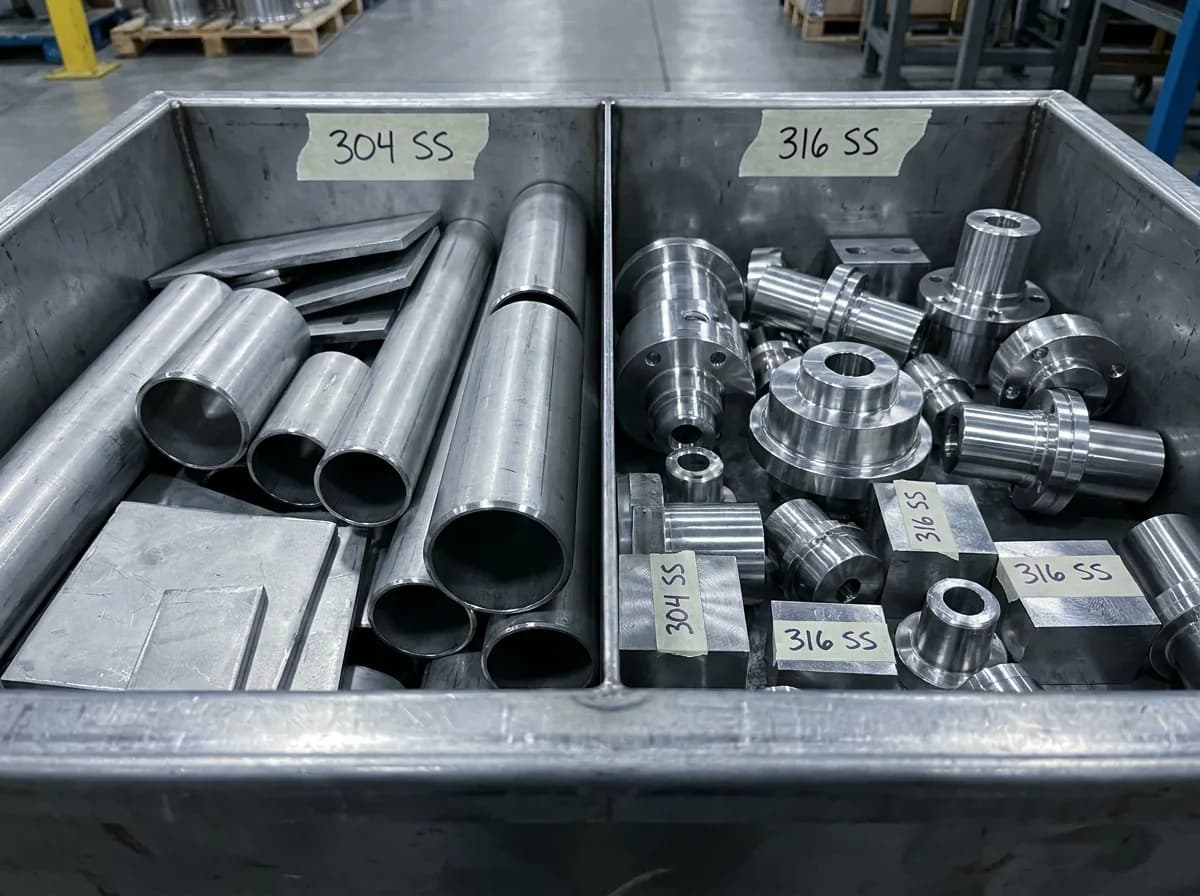
Sorted 304 and 316 solids, turnings and alloy chips.
Trade overview
Specified for real-world processing
Bergent supplies sorted stainless-steel scrap — 304 and 316 grade solids, stainless turnings, and nickel-bearing alloy chips — sourced from industrial machining centres, food-processing equipment, and automotive component manufacturers across Europe. Material is supplied to electric arc furnace mills and specialty steel foundries in Pakistan, with shipments discharging at Karachi KPT or Port Qasim.
- Principal destination
- Pakistan (Karachi KPT / Port Qasim)
- Typical nickel content (304/316)
- 8–13% indicative; subject to assay
- Sourcing markets targeted
- Europe, UK, US, Middle East
Material in view
Grade separation is visible before it is analytical
Solids, pipe, sheet and turnings need different handling. Clear imagery establishes the physical lot before any requested grade verification is considered.
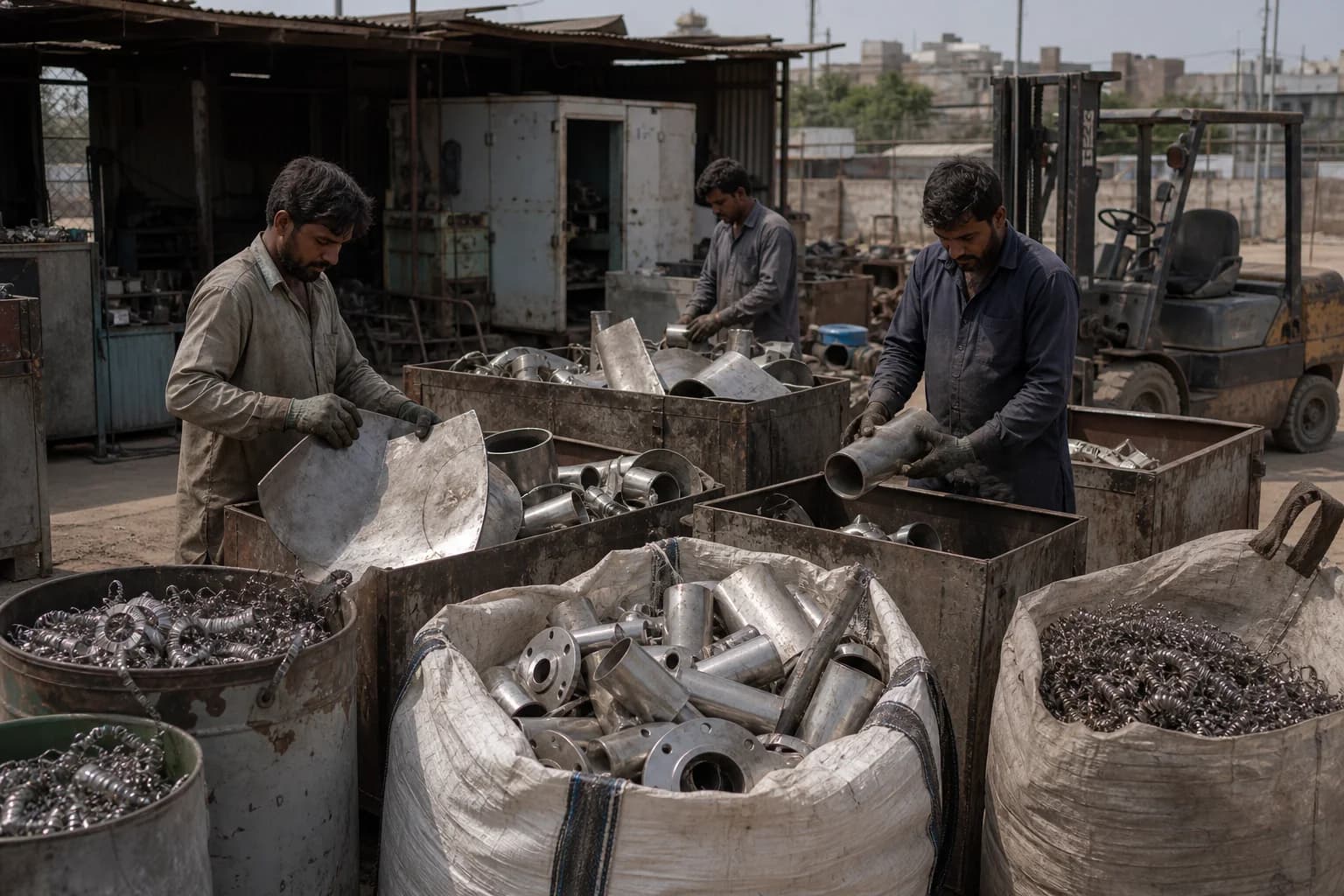
Illustrative yard view
Solids and turnings are shown as separate streams
The physical form, cleanliness and storage method are visible details that help a buyer understand the offered material.
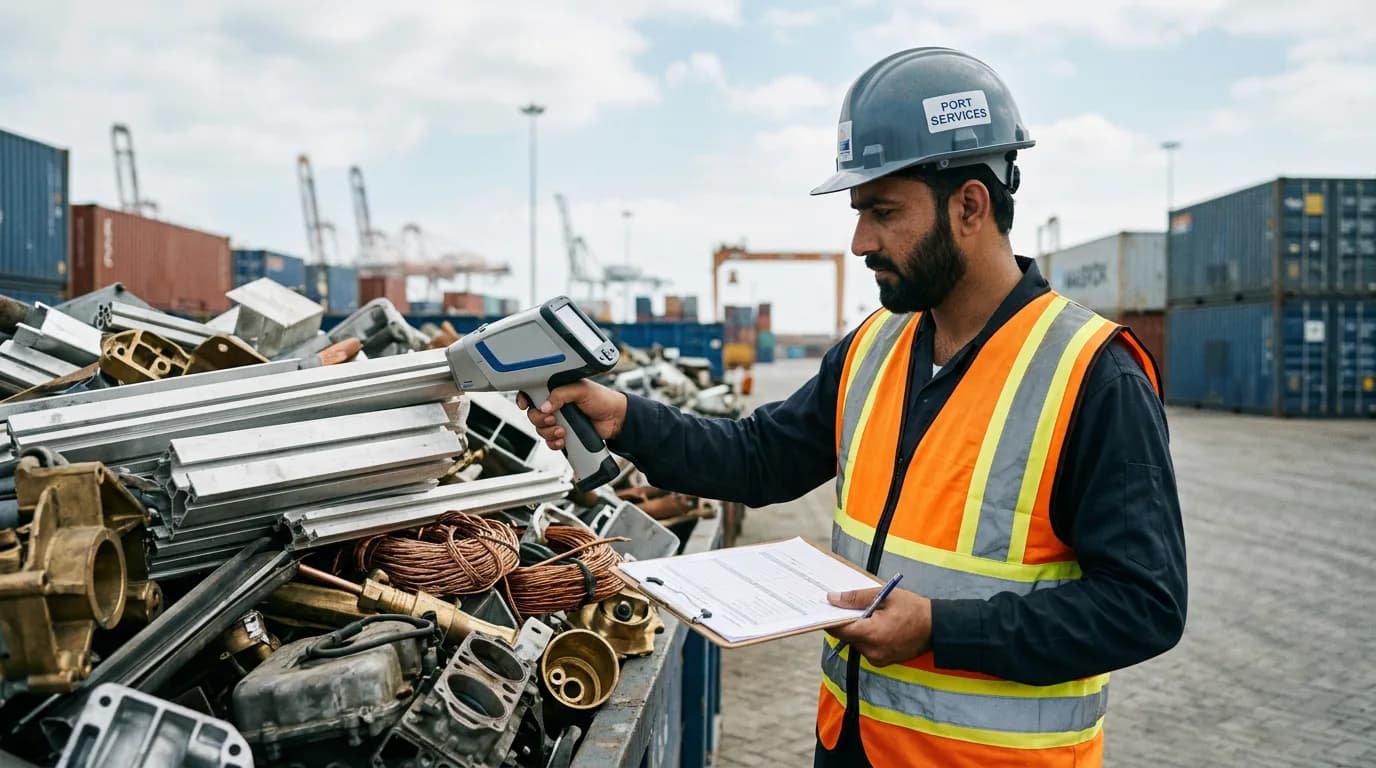
Assessment context
Alloy identity may require independent testing
Where specified, qualified inspection can support the distinction between 304, 316 and other nickel-bearing grades.
Trade specification
Grades we trade
| Grade / ISRI code | Specification |
|---|---|
| 304L Solid | 304L stainless solids, ferrous under 0.1%, oil-free, ideal for investment casting feedstock. |
| 316L Solid | Molybdenum-bearing 316L scrap, nominally 2–3% Mo content, certified non-magnetic. |
| 304/316 Turnings | Machine turnings and swarf from CNC machining; mixed 304/316 acceptable, typically up to 2 mm chips. |
| Ni-Bearing Alloys | Incoloy, Hastelloy, super-duplex fragments; nickel content typically 20% or above; segregated by alloy series. |
At destination
Applications
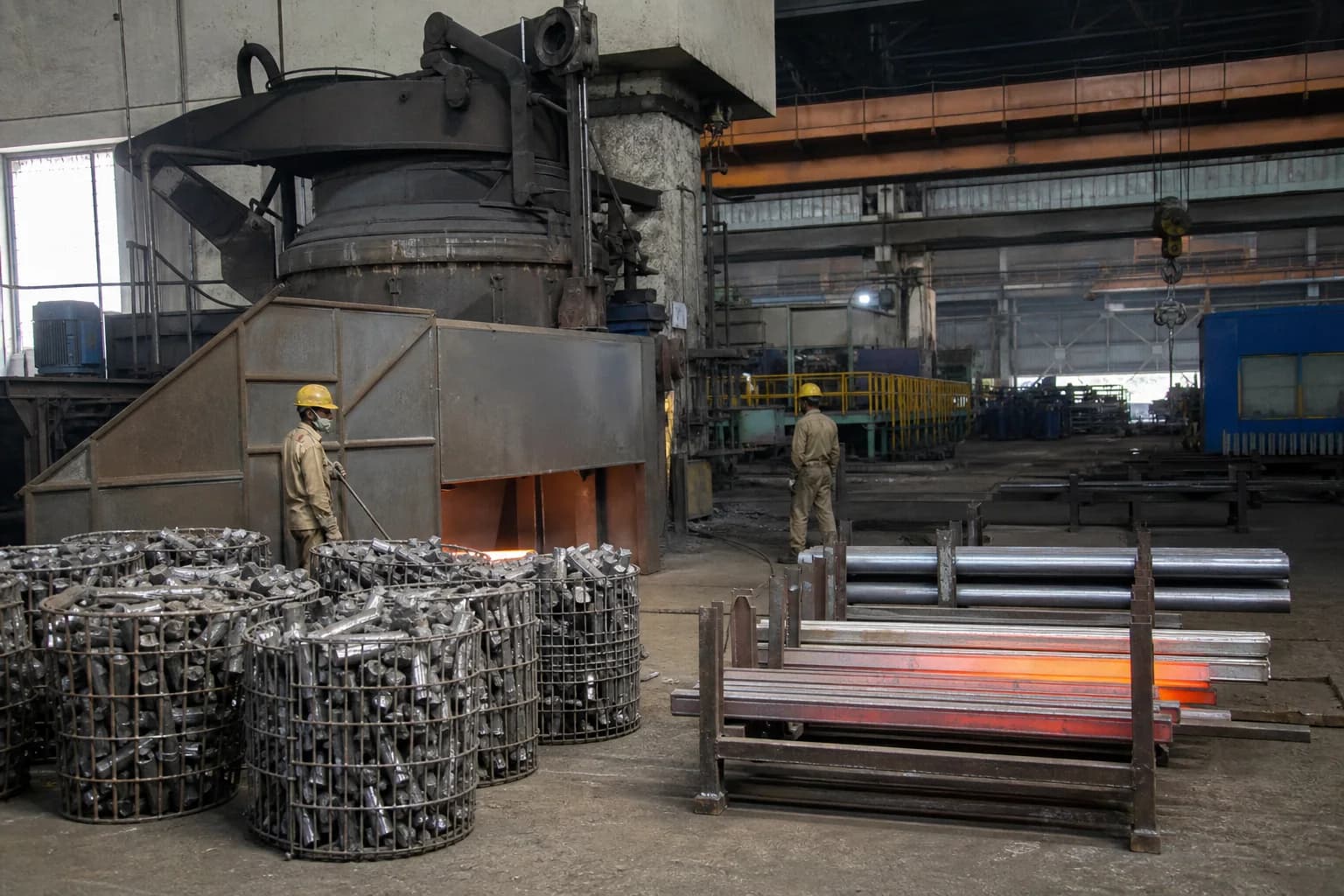
Illustrative end use
Electric arc furnace steelmaking for stainless bar and rod
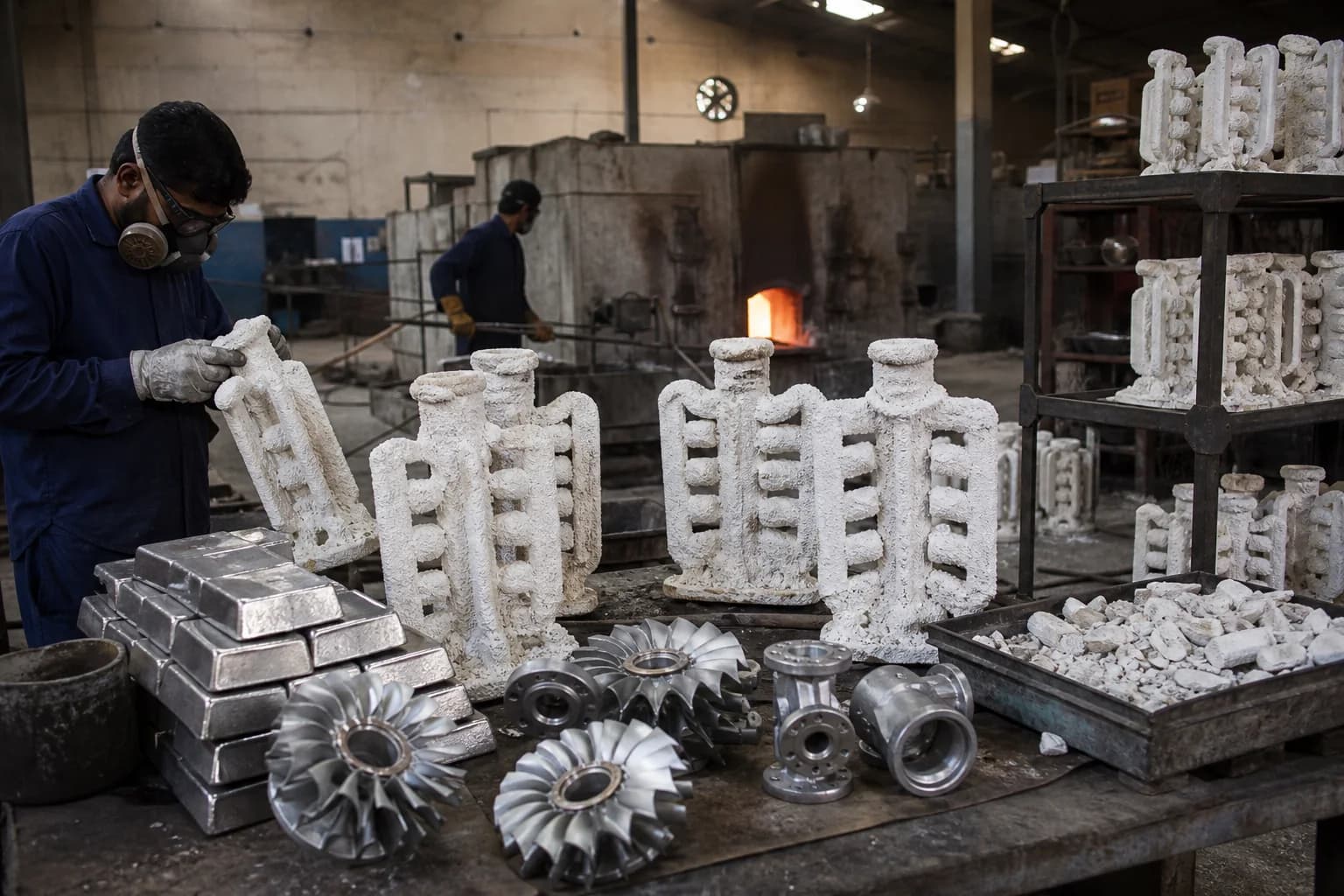
Illustrative end use
Investment casting superalloy ingot production
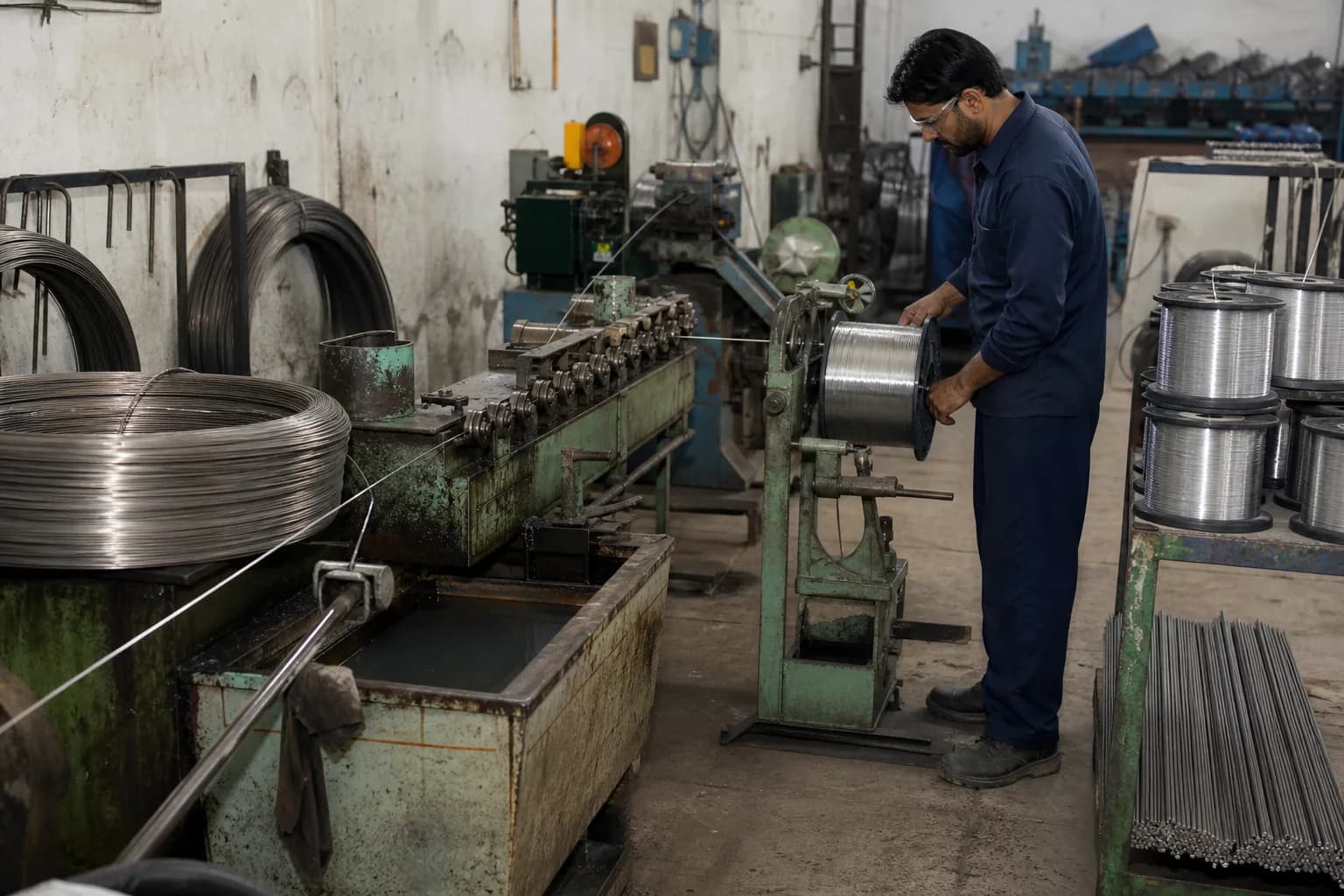
Illustrative end use
Specialty welding consumable feedstock
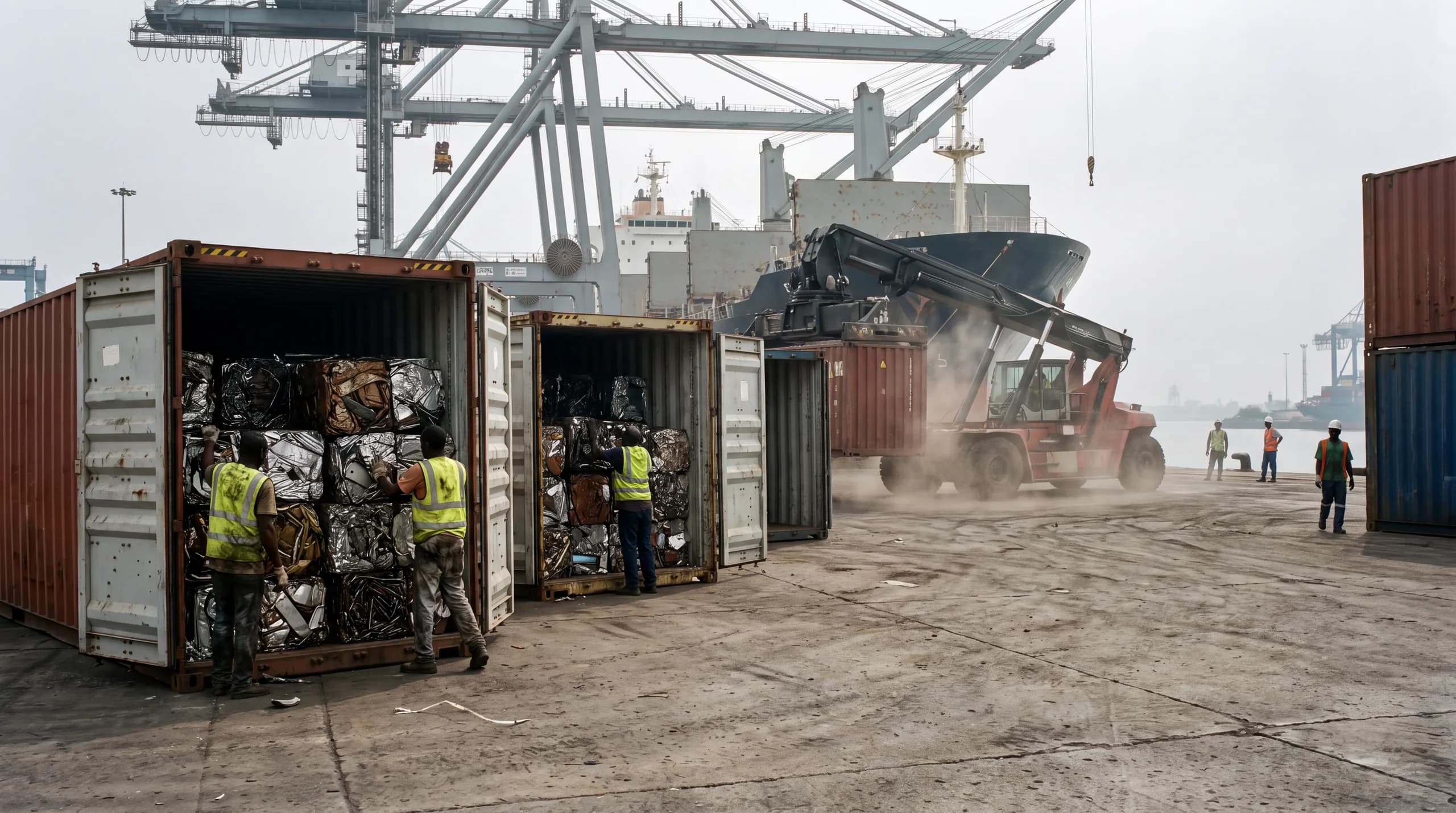
Shipment context
Grade control continues beyond the yard
Packing, container references and the agreed document set help preserve the identity of stainless grades through shipment.
Shipping and terms
Packaging and logistics
Packaging
304/316 solids compacted into 1-tonne bags or loose-stowed in 20 ft containers. Turnings and swarf typically shipped in lined drums (200 litre) or supersacks (500 kg). Vessel cargo: 100–250 tonne lifts per hatch, segregated by grade.
Incoterms available
- FOB
Free On Board
Risk and cost transfer to the buyer once the goods are placed on board the vessel at the named loading port.
- CFR
Cost and Freight
Seller pays freight to the destination port. Risk transfers to the buyer at the loading port.
Questions
Frequently asked questions
Next trade
Ready to trade?
Send the grade, approximate tonnage and location for Stainless steel scrap. A Bergent trader will review the details and respond directly.